

Client hospitality at a historic paper mill near Nantes
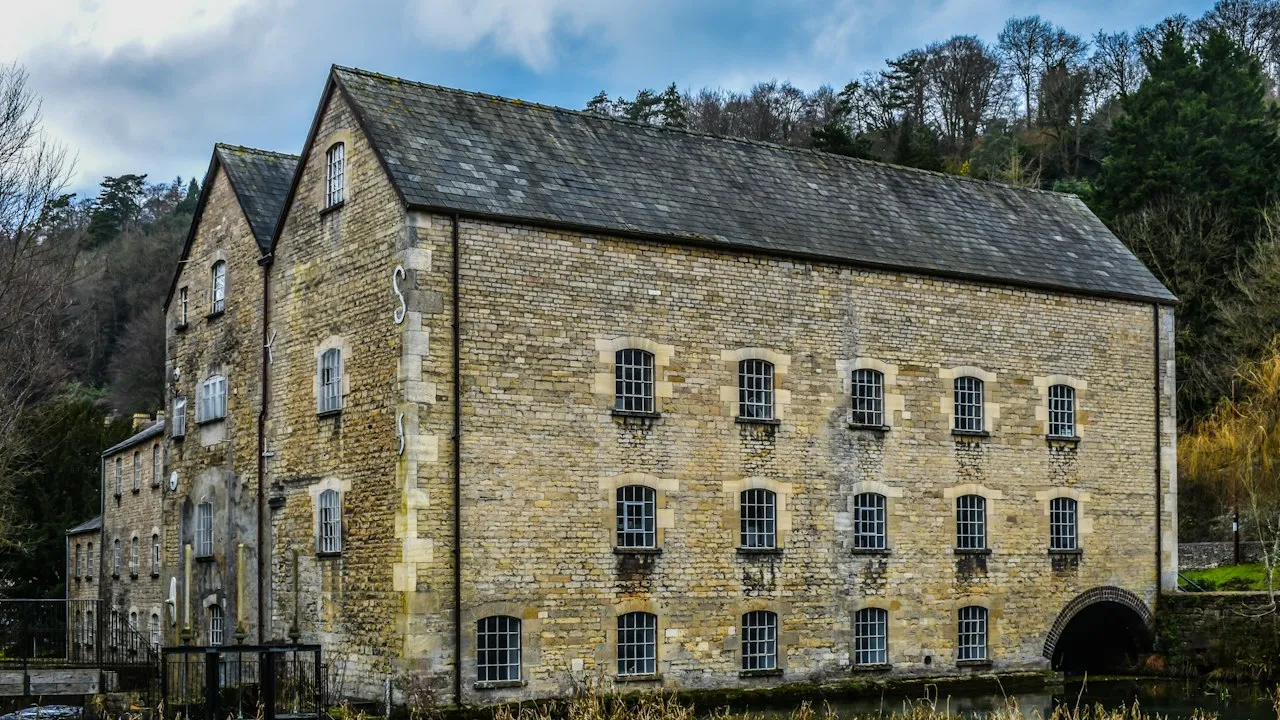
For business owners around Nantes, client hospitality works best when it creates space for genuine conversation rather than filling a calendar slot. A guided paper-making visit near Clisson offers a slower, more distinctive alternative to a restaurant table or a meeting room. At the Moulin à Papier du Liveau in Gorges, you can welcome a small group into the history, materials and gestures behind handmade paper, while giving professional relationships a memorable setting.
A heritage mill can create a more personal client welcome
Located in the Clisson Valley, around 25 minutes from Nantes, the Moulin à Papier du Liveau is a surviving witness to the area’s 19th-century paper-making activity. The mill’s heritage centres on fibres, water-powered production techniques and the manual processes used to form sheets of paper. For practical information about guided visits and the paper-making experience, this resource to discover can help you assess whether the format suits your guests. The setting in Gorges also gives your invitation a clear local identity, rather than the generic atmosphere of a central business venue.
A hospitality event does not need to be lavish to make an impression. It needs to feel considered. Inviting a client to a working heritage site signals that you have selected an experience with character, regional roots and a story worth sharing.
Unlike a formal presentation, a mill visit naturally distributes attention. Guests can listen, observe equipment, ask questions and discuss what they see. This rhythm can be especially useful with clients you know well enough to move beyond introductory small talk, but not yet well enough for an overly informal occasion.
Hands-on experiences make room for better conversations
A guided paper-making visit is not simply about learning a historical technique. It can give a professional meeting a shared reference point, which often makes conversation easier and less scripted.
The activity reduces the pressure of conventional networking
At a lunch, conversation can become dominated by business updates or polite exchanges. During a demonstration, the focus shifts temporarily to the craft itself: pulp, water, frames, drying and the precision involved in producing a sheet by hand. Your guests have something concrete to react to, even if they have different roles, seniority levels or professional backgrounds.
This shared attention can make the hospitality feel less transactional. You are not asking clients to sit through a sales pitch. You are offering time, context and an unusual local experience.
Craft creates useful parallels without forcing a message
Paper-making can prompt natural discussion about patience, quality control, material choice and the value of skilled work. These themes may connect with your own business, particularly if you work in design, manufacturing, communications, architecture, publishing or local services. Keep those links light. A short comment about care in production is more effective than turning every stage of the visit into a branded metaphor.
The best client hospitality leaves room for discovery. Let the guide lead the heritage narrative, then allow the conversation to develop around your guests’ own interests.
Plan a small visit with your clients in mind
A visit near Clisson is most effective when the group size, timing and follow-up are planned with the same attention you would give to a client meeting. The mill itself remains the centre of the occasion, while your organisation makes the experience smooth and welcoming.
Build the invitation around a clear purpose
You may be celebrating the completion of a project, thanking long-standing customers, welcoming a new partner or creating a more relaxed setting before discussing a future collaboration. State that purpose simply in the invitation. Guests should understand that the visit is a gesture of hospitality, not a disguised commercial presentation.
A small group often works particularly well. It allows everyone to hear the guide, participate comfortably and speak with one another without fragmenting into separate conversations.
Consider these practical details before confirming the date
-
Choose a group size that preserves the visit’s intimacy. A compact guest list allows you to greet each person properly and gives the guide space to answer questions. If you invite clients from different organisations, consider whether they will be comfortable meeting one another and whether any commercial sensitivities apply.
-
Allow time before and after the guided visit. Arriving a little early avoids a rushed start, while a short period afterwards gives guests a chance to continue conversations. You might organise coffee nearby, a simple local refreshment or a meal in the Clisson area, depending on the time of day and your budget.
-
Set expectations clearly. Include the location in Gorges, the approximate duration, transport guidance and the nature of the activity in your invitation. Clear information helps busy clients decide quickly and avoids uncertainty about dress, accessibility or timing.
-
Respect the heritage setting. The appeal of the Moulin à Papier du Liveau lies in its authenticity. Avoid bringing excessive signage, promotional materials or equipment that could distract from the mill. A discreet welcome and thoughtful hosting will feel more appropriate than a heavily branded event.
-
Coordinate with the site in advance. Confirm available guided-visit formats, opening arrangements, capacity and any conditions for private groups. Your plan should reflect the mill’s operating requirements rather than treating the venue as a conventional event room.
Turn the visit into a thoughtful professional follow-up
The strongest hospitality continues after guests leave Gorges. Within a few days, send a personal note thanking each client for joining you. Refer to a detail from the visit or a conversation you had together, rather than using a generic message.
If appropriate, you could include a printed note on quality paper, a photograph from the day with permission, or a short recommendation for another place to visit in the Clisson Valley. Such gestures reinforce the care behind the invitation without becoming extravagant.
A well-chosen experience can stay in a client’s memory long after a standard meeting fades. The aim is not immediate conversion. It is to deepen familiarity, demonstrate your attention to detail and create a more human foundation for future business discussions.
Make client hospitality near Nantes more distinctive
A guided paper-making visit at the Moulin à Papier du Liveau gives local businesses a credible, characterful option for client hospitality near Nantes. It combines regional heritage, a tangible craft and a setting that encourages unhurried exchange.
Key points to retain:
- A heritage visit near Clisson can offer a more memorable alternative to a conventional client lunch.
- Handmade paper-making provides a shared activity that supports relaxed, authentic conversation.
- Small groups, clear logistics and respect for the site make the experience more comfortable for guests.
- A personal follow-up turns a pleasant outing into a stronger long-term relationship gesture.