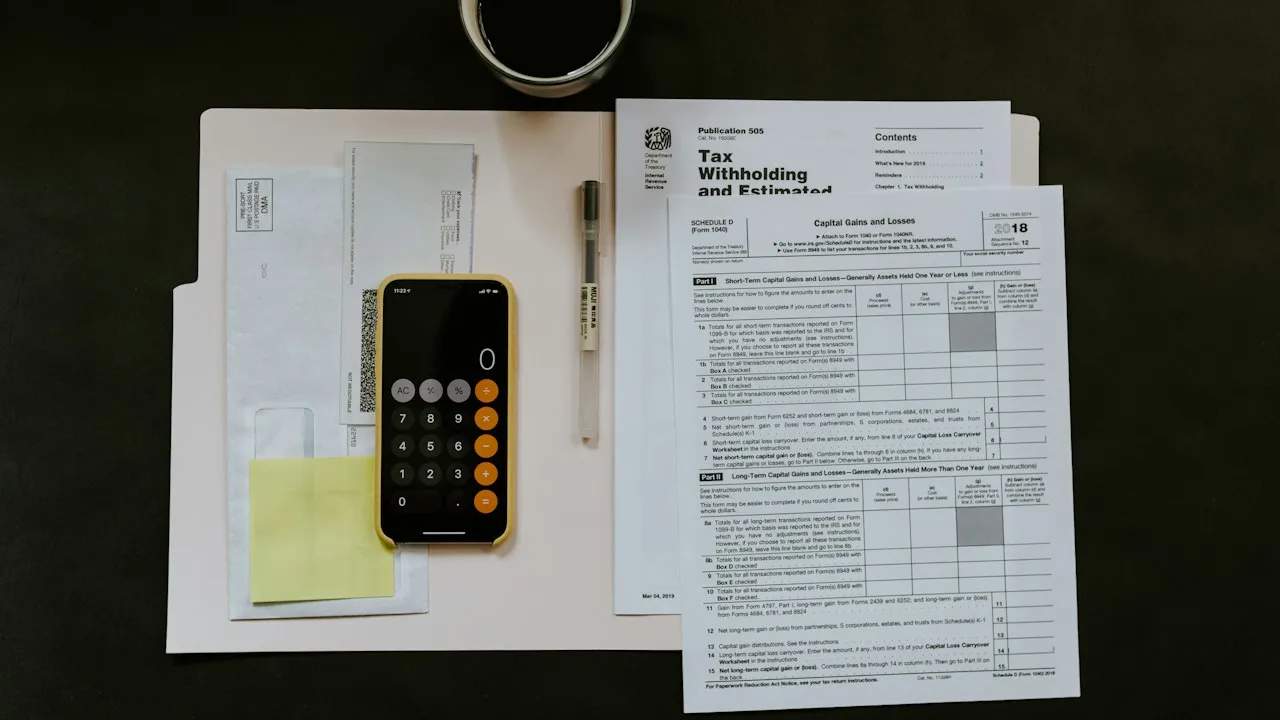








How to reconcile bank statements monthly

Reconciling bank statements each month gives you a clear view of your cash position and helps you catch errors before they grow into larger problems. For many business owners, the process can feel repetitive, yet it is one of the most reliable ways to keep accounts accurate and decision-making grounded in real numbers. When you handle it consistently, bank reconciliation becomes a simple control rather than a stressful chore.
Why monthly reconciliation protects your accounts
Monthly reconciliation compares the transactions recorded in your accounting system with the entries shown on your bank statement. If both sets of records match, you can trust that your books reflect actual cash movement. If they do not, you can investigate the difference right away.
What you gain from doing it regularly
A monthly routine helps you spot bank charges, missing invoices, duplicate entries, and payments that have been entered incorrectly. It also reveals timing differences, such as cheques or card payments that have not yet cleared. Left unchecked, these small issues can distort profit figures and tax reporting.
For smaller firms, the discipline of a monthly review also supports forecasting. If you already track expected inflows and outflows, the reconciliation gives you a reality check against those estimates. A good starting point is to align this habit with your planning cycle, especially if you already use a Simple 12 month cashflow forecast for small business to monitor upcoming pressures.
How to prepare before you start
Before you begin, gather the bank statement for the full month, your accounting ledger, and any supporting documents for unusual items. You will also need details of payments in transit, card transactions, bank fees, and direct debits that may not yet appear in your records.
Set a fixed monthly routine
Choose a specific day each month to complete the task, such as the third working day after month-end. This gives enough time for most bank items to clear while keeping the process close to the reporting date. A regular routine makes it easier to notice patterns and reduces the chance of missing items from one month to the next.
If your bookkeeping setup is still developing, it helps to establish the right structure early. Many owners find that the first step is to Set up your first small business accounting system in the UK so that bank feeds, nominal codes, and customer records all work together.
How to reconcile bank statements monthly step by step
Start by opening your bank statement and your ledger side by side. Check the opening balance on both documents and confirm that it matches the closing balance from the previous month. If the opening figures differ, the issue probably began in an earlier period.
Match transactions one by one
Work through each bank statement line and tick off the corresponding item in your accounting records. Match receipts, supplier payments, cash withdrawals, standing orders, direct debits, and card settlements. If amounts differ slightly, check whether fees or part-payments explain the gap.
When a transaction appears in the bank but not in your books, add it to the ledger if it belongs to the business. If it appears in your books but not on the statement, check whether it is still pending or whether it may have been posted to the wrong account.
Record timing differences clearly
Some items will naturally sit between two periods. For example, a cheque issued near month-end may not clear until the next statement. The same applies to card receipts, payroll entries, and automatic transfers. Keep a short list of these items so you can carry them forward and remove them once they clear.
A clean reconciliation is not just about matching totals; it also creates a trail that explains why numbers differ at a point in time. That trail helps if you need to answer questions from your accountant, lender, or tax adviser.
What to do when the balances do not agree
If the final reconciled balance still does not match, work backwards instead of guessing. Check for transposed numbers, duplicate postings, missing bank charges, and entries posted on the wrong date. Small errors often hide in plain sight.
Use a methodical error check
Begin with the largest items first, since they are easiest to spot. Then review unusual payments, refunds, foreign currency transactions, and round-number entries. If you still cannot identify the problem, compare the current month with the prior month to see whether the error was carried forward.
It also helps to review your bank statement against invoices, receipts, and expense claims. A payment may be correct on the bank side but assigned to the wrong customer or expense code in the ledger. In that case, the balance may be fine while the categorisation remains inaccurate.
How to keep the process efficient
Reconciliation becomes faster when your records are organised. Use consistent naming for suppliers and customers, keep receipts attached to transactions, and avoid leaving entries unposted until month-end. The more current your bookkeeping is, the less time you will spend tracing old items.
Build useful habits
Automation can help, but it should not replace review. Bank feeds speed up data entry, yet they can also import duplicated or mislabelled transactions. A monthly check gives you a chance to confirm that the software has interpreted each item correctly.
Many businesses also benefit from a short checklist that includes opening balance, statement period, bank charges, transfers, and uncleared items. With a repeatable approach, the task becomes easier to delegate to a bookkeeper or internal finance staff member.
Key points to remember each month
- Compare the bank statement with your accounting ledger line by line.
- Start with the opening balance and work forward through the month.
- Track timing differences such as uncleared cheques and pending card payments.
- Investigate mismatches quickly rather than leaving them for later.
- Keep supporting documents close at hand for unusual entries.
- Review bank fees, refunds, and transfers separately to avoid missed items.
- Use a fixed monthly schedule so reconciliation becomes routine.
A cleaner month-end process for your business
Monthly bank reconciliation gives you a dependable check on your financial records and reduces the risk of errors spreading through your accounts. It also supports better cash management, cleaner reporting, and faster year-end preparation. If you approach it with a clear routine and organised records, you will spend less time correcting problems and more time using your numbers with confidence.