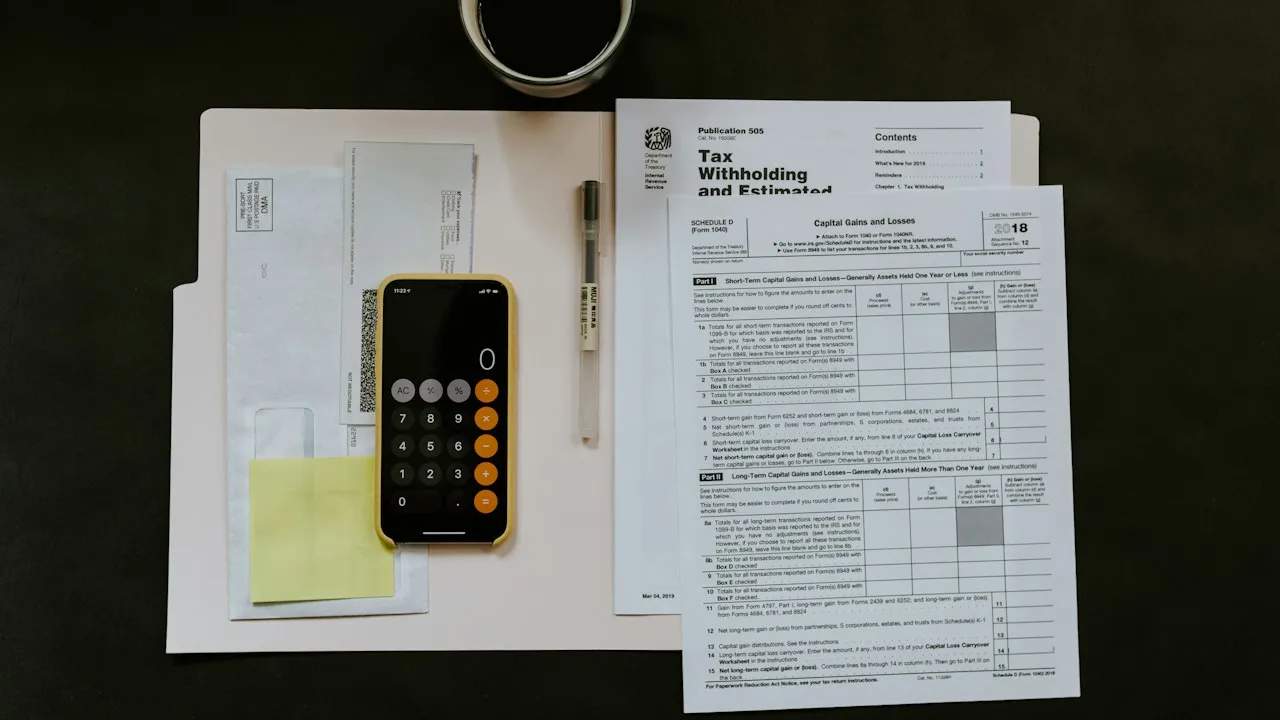








How to categorize business expenses

When you run a business, expense categorization can feel routine at first glance, yet it shapes much more than tidy records. It affects how clearly you understand profitability, how smoothly your bookkeeping runs, and how confidently you approach tax time. If you assign costs to the right categories from the start, you make your accounts easier to read and your decisions easier to trust.
Why expense categorization matters for your records
Every business spends money, but not every expense tells the same story. A delivery charge, a software subscription, and a client lunch each serve a different purpose. Grouping them properly gives you a clearer view of where cash goes and which activities support growth.
A clearer picture of performance
When expenses are sorted well, you can compare months, spot trends, and identify areas that need attention. For example, rising software costs may be a sign that your tools are expanding, while higher travel expenses may show that your sales activity is growing. Well-organized categories make management accounts far more useful.
Better tax reporting and fewer errors
Accurate categories also help when you prepare returns or work with your accountant. Some expenses are fully deductible, some are partly deductible, and some may need special treatment. If records are vague, you may lose time correcting them later or miss claims you were entitled to make.
Start with a simple structure that fits your business
There is no single perfect chart of accounts for every company. A sole trader, a small consultancy, and a retail shop will not need identical labels. The best structure is one that is detailed enough to be useful, yet simple enough to maintain every week.
Use broad categories first
Begin with categories such as:
- office costs
- travel and motor expenses
- advertising and marketing
- professional fees
- software and subscriptions
- staff costs
- rent and utilities
- stock and materials
These groups are easy to understand and cover most everyday transactions. If a category becomes too large, you can split it later into smaller subcategories.
Keep personal and business spending separate
Mixing private and business costs creates confusion very quickly. Use a dedicated business bank account and business credit card whenever possible. If you pay a business cost personally, record it promptly and keep the receipt. This habit protects the accuracy of your books and makes reimbursements simpler.
Match each expense to the right type
Once your categories are in place, the next step is deciding where each transaction belongs. The key is to focus on the purpose of the cost rather than the payment method.
Direct costs and overheads are not the same
Direct costs are tied to the product or service you sell. A bakery’s flour and packaging are direct costs. Overheads support the business more generally, such as insurance, bookkeeping software, or rent. Knowing the difference helps you understand gross profit and overall operating costs.
One expense can sometimes fit more than one label
Some purchases may seem ambiguous. A laptop used mainly for client work could fall under equipment or office assets, depending on your accounting treatment. A conference trip may include travel, accommodation, and meals, each of which may need separate entries. Splitting costs correctly gives you cleaner reports and better control.
If your company structure raises questions about owner pay and profit extraction, Salary vs dividends for UK directors in small companies may also help you place related costs in context.
Build a consistent process for recording transactions
Good categorization depends less on memory and more on routine. The most reliable businesses use a repeatable method each time they record spending.
Record expenses soon after they happen
Waiting until month-end often leads to missing receipts and vague descriptions. Log transactions as soon as possible, ideally when they appear in your bank feed or accounting software. Add a short note if the reason for the expense may not be obvious later.
Attach evidence whenever you can
A receipt, invoice, or online order confirmation supports the entry and makes review easier. Even when digital records are accepted, keeping evidence with the transaction reduces guesswork. Documentation turns categories from estimates into reliable bookkeeping.
Reconcile bank activity regularly
Bank reconciliation helps you confirm that entries match real payments. It also reveals duplicates, forgotten costs, and misclassified items. If you do this weekly or monthly, correction becomes straightforward rather than overwhelming.
Common categories that small businesses often use
Many small businesses can work well with a practical set of recurring categories. These are not the only possibilities, but they offer a solid starting point.
Everyday operating costs
This group may include telephone bills, internet charges, stationery, postage, and basic office supplies. These are usually modest individually, but together they can represent a meaningful share of overhead.
Marketing and customer acquisition
Advertising, website maintenance, social media tools, printed materials, and sponsorships often belong here. Tracking them separately helps you judge which channels bring the best return.
Professional and administrative fees
Accountants, solicitors, consultants, bank charges, and licensing fees usually fit in this section. If you are building your bookkeeping from scratch, Set up your first small business accounting system in the UK offers a practical foundation for organising these items from the outset.
Staff and contractor costs
Wages, employer payroll taxes, pensions, contractor invoices, and training may all sit in this area. Because these expenses can be substantial, separating them from general overheads makes payroll planning much easier.
Avoid the mistakes that make categories unreliable
Even well-meaning bookkeeping can become messy if the same rules are not applied each time. Small errors tend to multiply when left unchecked.
Do not use vague labels
Labels such as “miscellaneous” or “other” may seem convenient, but they hide patterns. A few small one-off entries are fine, yet a large number of vague transactions makes reports less useful. If a category keeps growing, rename or split it.
Do not treat timing as the same thing as purpose
An annual insurance payment is still insurance, even if it is paid in one lump sum. A software licence paid upfront may need to be spread over time in your accounts, depending on your method. The purpose of the cost should guide the category; the payment timing affects recording.
Review categories periodically
Your business may change faster than your chart of accounts. A new service line, additional staff, or more online sales might call for adjusted categories. A short review each quarter can keep the system aligned with reality.
A practical way to keep expense categories under control
To keep your records useful, aim for categories that are specific enough to analyse but simple enough to maintain. A good rule is to ask whether a category helps you make a decision. If it does not, it may be too detailed.
- Separate personal and business spending from day one.
- Use a small number of clear categories and expand only when needed.
- Record transactions quickly and keep supporting documents.
- Reconcile bank data regularly to catch mistakes early.
- Review your chart of accounts as your business changes.
A tidy expense system does not require perfection. It requires consistency, sensible labels, and a process you can repeat without friction. Once that is in place, your books become easier to read, your reports become more meaningful, and your business decisions rest on firmer ground.